If you’ve spent as long as I have standing in a freezing school playground in SE23 waiting for the bell to ring, you know that the "learning at home" battle is real. Between the chaos of the post-school snack, the mountain of laundry, and the inevitable "I’m tired" tantrum, trying to get a bit of extra maths or spelling done can feel like pulling teeth.
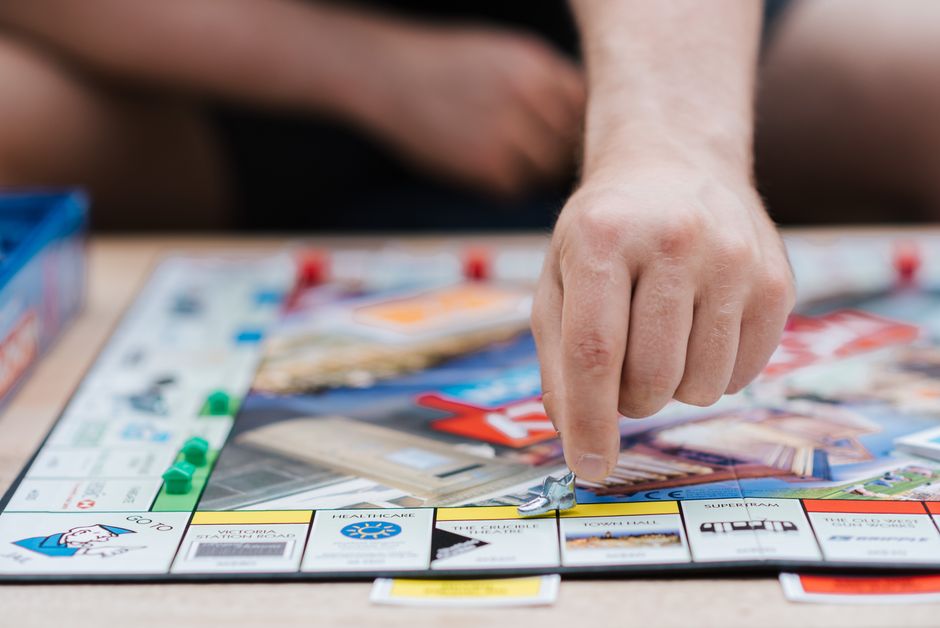
Enter the world of gamification. It feels like every week there’s a new platform promising to turn your reluctant reader into a scholar using shiny digital rewards. But do they actually work? And, more importantly, do they stop the tears at the kitchen table? Let’s strip back the edtech hype and look at what actually moves the needle when it comes to student engagement tools.
The Holy Trinity of Gamification: Points, Badges, and Leaderboards
Most of these apps rely on three main pillars. But as any parent who has watched their child obsess over a streak or have a total meltdown over a lost ranking knows, they affect kids in very different ways. Let's break down the points vs badges vs leaderboards debate.
1. Points: The Immediate "Quick Win"
Points are the bread and butter of gamification. They are simple, quantifiable, and provide that instant dopamine hit. My youngest, who currently lives for anything he can track, loves points because he can see his progress in real-time. It’s like a digital version of a gold star chart, but without the faff of finding the stickers.
2. Badges: The "Badge of Honour"
Badges are about identity. They say, "I am a person who has mastered this skill." Unlike points, which are fleeting, badges sit on a profile. They work best for kids who want to feel like they are building an expertise. If your child is a collector, they’ll go mad for these.
3. Leaderboards: The Motivation Minefield
Here is where I need to be careful. Leaderboards are popular in enterprise-level platforms like Centrical, which are designed to keep staff engaged in workplace training. In a corporate office, a bit of healthy competition can https://www.spiritedpuddlejumper.com/gamifying-learning-tools-that-make-education-fun/ be great. In a living room with a ten-year-old? It can be a disaster.

A word of warning: Leaderboards can be incredibly demotivating for kids who aren't naturally at the top. If your child is struggling, seeing their name at the bottom of a list is a massive turn-off. I’ve seen this lead to kids quitting a perfectly good app just because they couldn't catch up to their peer group.
Comparing the Mechanics: What Works Best?
I’ve put together a quick breakdown of how these mechanics usually land with kids at home:
Mechanic Best For... Potential Pitfall Points Quick, daily habit building. Losing momentum if there's no "end goal." Badges Encouraging long-term mastery. Can feel trivial if the reward isn't meaningful. Leaderboards Highly competitive kids. Massively demotivating for everyone else.Ditching the EdTech Hype: Finding Tools that Actually Help
I am notoriously allergic to "EdTech Hype." You know the ones—they promise that a sleek interface and fancy animations will make your child fluent in French in ten minutes a day. Often, these platforms are just glorified click-bait. What I look for instead is utility. Does it actually save me time? Does it actually help them remember their times tables?
The Case for Low-Stress Assessment
One tool I’ve genuinely found useful is Quizgecko. It’s an AI flashcard generator, and it’s a life-saver for parents who don't have time to write out hundreds of cards by hand. Because it creates quizzes from actual school notes or PDFs, the learning feels relevant to what they are actually doing in the classroom. It’s not about "beating the system"—it’s about recall practice.
Using something like Quizgecko shifts the focus from the game to the content. It keeps the stakes low. If they get a question wrong, they just hit retry. There’s no big, flashing "YOU LOSE" sign—just a chance to try again. That low-stress environment is key for kids who get anxious about being "wrong."
My Top Tips for Keeping Motivation High (Without the Fights)
If you want to use gamification to your advantage without turning your house into a battleground, try these "Mum-tested" strategies:
- Focus on Streaks, Not Rankings: I much prefer apps that encourage a "daily streak." It rewards consistency rather than intelligence or speed. It’s "I showed up" rather than "I’m better than everyone else." Use "Real World" Tangible Rewards: Don’t just rely on digital points. My kids respond much better to a "homework pass" or picking the music for the Saturday morning school run than they do to a digital badge they’ll never look at again. Timed Challenges: Instead of leaderboards, use a timer. Say, "How many of these can you get through in 5 minutes?" It turns the learning into a race against themselves, which is much healthier than a race against their classmates. Keep it Optional: The moment you force a "game," it becomes a chore. I always leave the iPad out on the counter, but I don't demand they use it. Often, they’ll pick it up on their own terms when I’m not looking.
The Bottom Line
Gamification is a tool, not a teacher. Whether it’s Centrical-style business gamification or a simple AI flashcard tool like Quizgecko, the goal is always the same: lowering the friction to start.
For some kids, points and badges are the perfect nudge to get them to sit down for ten minutes. For others, just having a low-stress way to check their understanding is more than enough. My advice? Don't get sucked into the "leveling up" obsession. If it stops the fighting and gets them to actually recall a bit of information—even if it’s just three questions before dinner—call it a win and go put the kettle on. You’ve earned it.
What are your go-to tactics for home learning? Do you have a child who thrives on competition, or do they retreat the moment a leaderboard pops up? Let me know in the comments below!